
Categories
Identifying Major Tree Diseases in Southern Ontario: A Homeowner’s and Arborist’s Guide
Southern Ontario (including the Greater Toronto Area, Niagara, and the Carolinian forest zone) is home to rich urban and natural tree canopies—sugar maples, red oaks, American beeches, ashes, and elms. However, this region faces intense pressure from both long-established and emerging diseases. Many are invasive and spread rapidly in our densely populated, warming climate.
This guide covers the most common and impactful tree diseases in southern Ontario today. For each, you’ll find the cause, key symptoms, affected species, local impact, and management tips. Photos show diagnostic signs. Early detection saves trees—report concerns to your local municipality, or the Invasive Species Centre. Many diseases are likely not curable and will need to be removed by your local tree servicing company
1. Dutch Elm Disease
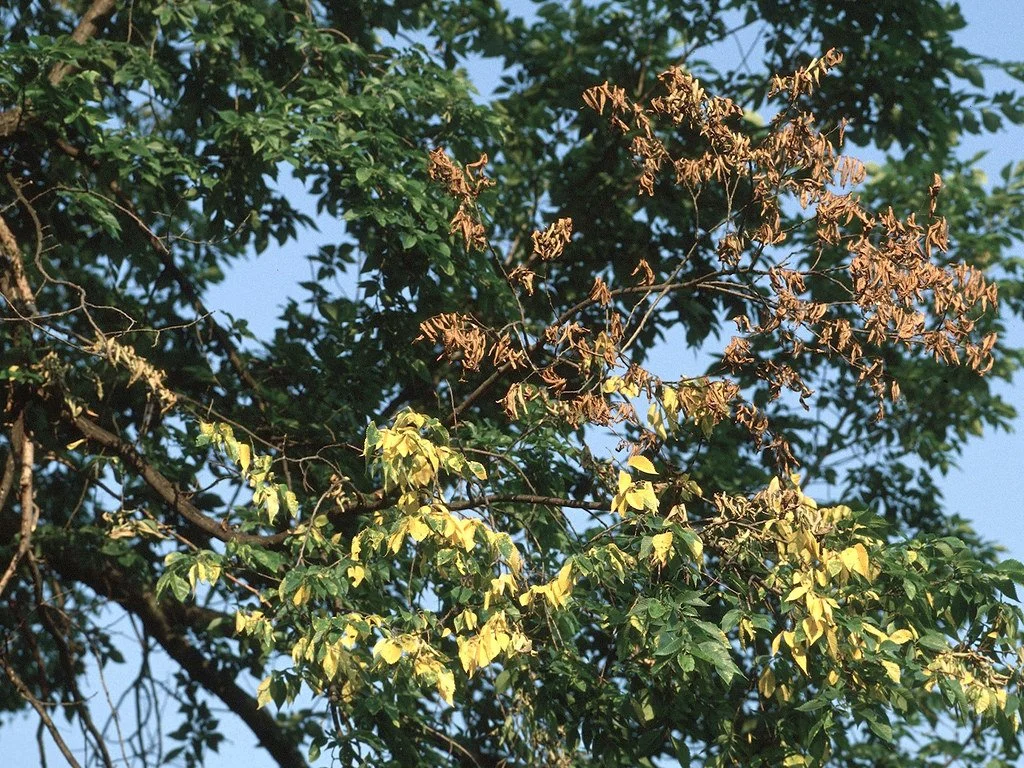
Cause: Fungal pathogens Ophiostoma novo-ulmi (aggressive) and Ophiostoma-Ulmi, spread mainly by elm bark beetles and root grafts.
Symptoms: Sudden “flagging”—wilting, yellowing, then browning leaves on individual branches in mid-to-late summer (leaves often stay attached). Brown streaking in the sapwood under the bark. Progressive crown dieback leads to tree death within 1–3 years.
Affected Trees: American elm, rock elm, and slippery elm.
Distribution and Impact in Southern Ontario: Widespread and still active across the region. It devastated street tree populations in cities like Toronto and has killed millions of elms historically. Urban canopies and biodiversity suffer.
Management: No cure once advanced. Prompt removal of infected trees, sanitation pruning (before beetle flight season), and fungicide injections for valuable specimens. Resistant cultivars are recommended for replanting.
2. Emerald Ash Borer (EAB)
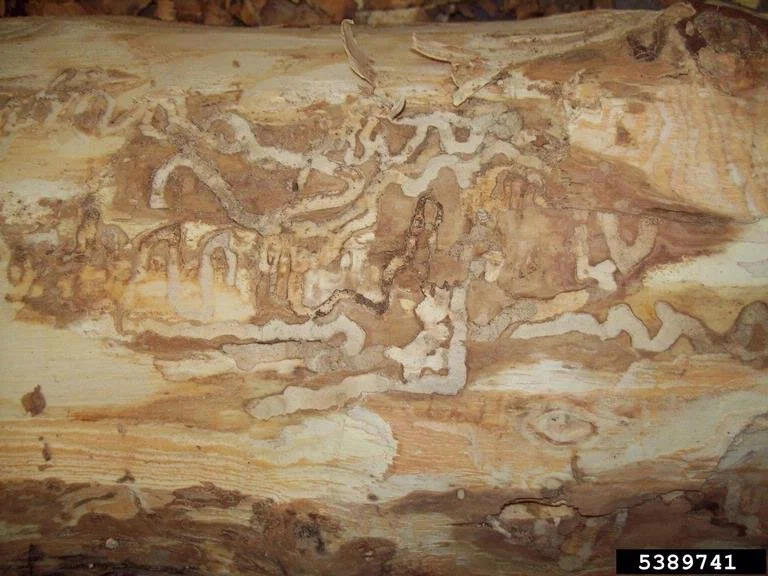
Cause: Invasive beetle Agrilus planipennis from Asia. Larvae tunnel under the bark, girdling the tree. (Often grouped with diseases as it causes systemic decline.)
Symptoms: D-shaped exit holes (about 3–4 mm) in the bark, serpentine larval galleries under the bark, crown thinning/dieback starting at the top, epicormic shoots (sprouts on trunk), and woodpecker activity. Trees can die within 2–4 years.
Affected Trees: All native ash species (green, white, black, etc.). Mountain-ash is not affected.
Distribution and Impact in Southern Ontario: Detected in 2002 near Windsor; now throughout the GTA and most of southern Ontario. It has killed hundreds of thousands of ash trees in Toronto alone and continues to spread.9578a9
Management: Systemic insecticide injections (e.g., TreeAzin) for high-value trees. Remove heavily infested ash. Diversify plantings—do not rely on ash.
3. Beech Bark Disease
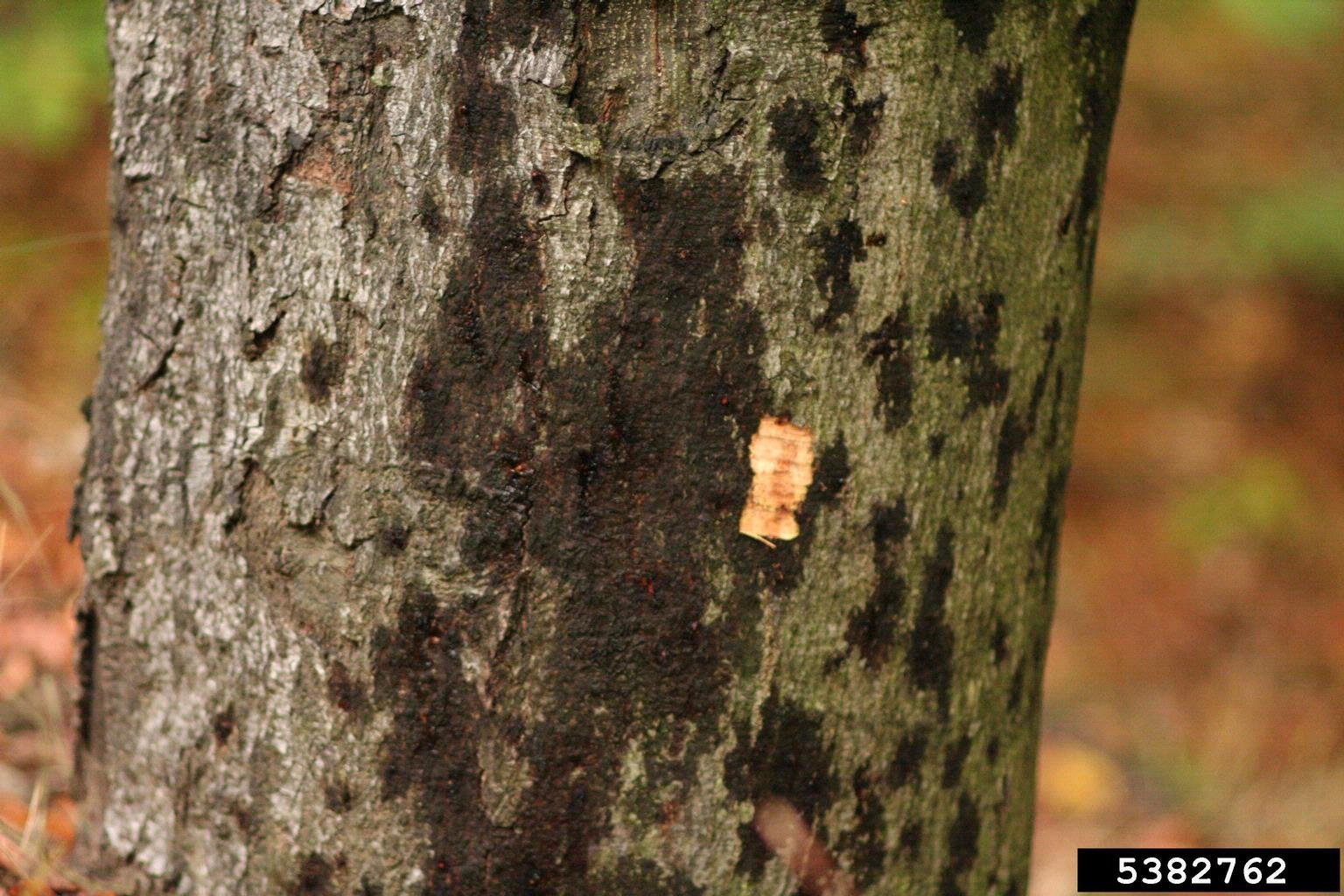
Cause: Invasive beech scale insect (Cryptococcus fagisuga) creates wounds; followed by native Neonectria fungi.
Symptoms: White woolly patches on bark (scale insects), then sunken cankers, cracked bark, and orange-red fruiting bodies. Crown dieback and “beech snap” (sudden trunk breakage).
Affected Trees: American beech.
Distribution and Impact in Southern Ontario: Widespread in eastern Canada, including much of southern Ontario. It weakens and kills mature beeches, reducing forest mast for wildlife.
Management: No full cure. Remove heavily infested trees. Some resistant individuals exist—promote those. Avoid wounding trees.
4. Oak Wilt
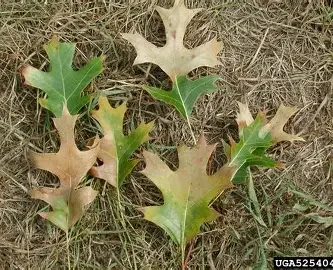
Cause: Invasive fungus Bretziella fagacearum, spread by sap beetles and underground root grafts (especially in red oaks).
Symptoms: Rapid wilting and browning of leaves (often starting at margins or tips), vascular staining in sapwood, and leaf drop while still green or partially brown. Red oaks can die in one season.
Affected Trees: All oaks; red oaks are most susceptible and die quickly, while white oaks decline more slowly.
Distribution and Impact in Southern Ontario: Emerging threat—first confirmed cases in recent years (Niagara and surrounding areas). High risk to Carolinian oak ecosystems and urban oaks.eb33a6
Management: Prune only in winter (dormant season). Remove infected red oaks promptly. Trenching severs root grafts. Fungicide injections possible for high-value trees.
5. Beech Leaf Disease
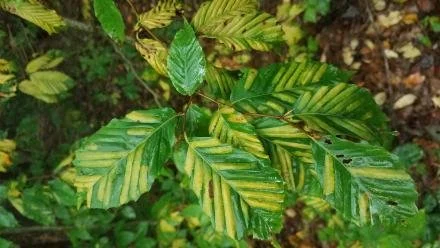
Cause: Likely a nematode (Litylenchus crenatae subsp. mccannii), possibly with other factors.
Symptoms: Dark banding or striping between leaf veins (best seen in spring/summer), shriveled/deformed leaves, reduced leaf size, and progressive crown thinning. Can lead to tree death over several years.
Affected Trees: Primarily American beech (also European beech).
Distribution and Impact in Southern Ontario: Spreading rapidly in southwestern and central Ontario since its discovery here. A major new concern for beech forests and urban trees.
Management: No established cure. Improve tree vigor through watering/mulching. Monitor and report new sightings. Research into treatments is ongoing.
6. Armillaria Root Rot (Honey Fungus)
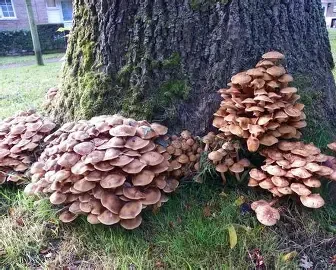
Cause: Soil-borne Armillaria fungi; spreads via roots and rhizomorphs. Often attacks stressed trees.
Symptoms: Gradual decline, thin crowns, yellowing foliage, resin flow or cracks at base. Clusters of honey-colored mushrooms in fall. White mycelial fans under bark.
Affected Trees: Wide range—including maples, oaks, beech, and conifers.
Distribution and Impact in Southern Ontario: Very common native disease, especially in disturbed or stressed urban sites. Contributes to many tree failures.
Management: Focus on prevention—maintain tree health, avoid soil compaction, and remove infected stumps where feasible. No chemical cure for established infections.
What You Can Do in Southern Ontario
Inspect regularly: Look for wilting branches, unusual holes, or discolored leaves in late spring through summer.
Southern Ontario’s trees face a perfect storm of invasives, climate stress, and urban pressures. Vigilance and diversity are your best defenses.